Introduction: What makes latex different
Natural latex mattresses sit at a curious crossroads between science and sensibility. They are not merely a product category; they embody a philosophy of sleep that leans into elasticity, breathability, and a certain resilience that invites you to sink in without sinking too deep. The very material—one of nature’s own foams—remains buoyant, returning to form after each night’s wakefulness. It is this buoyancy, coupled with air channels and a careful blend of balancing layers, that grants latex its distinctive personality on the sleep surface.
What distinguishes natural latex from other core materials—such as memory foam or innerspring—is not simply feel, but the science of how it interacts with the body across sleep cycles. A latex core tends to deliver consistent contouring that supports the spine in neutral alignment, while promoting air movement to reduce heat buildup. For readers who crave a surface that feels soft yet supportive, with a tactile spring that responds to shifting positions, latex offers a thoughtfully engineered compromise between plushness and lift.
Yet latex is not monolithic. The market distinguishes among Dunlop and Talalay processing, among degrees of firmness, and among certifications that govern safety, environmental footprint, and product transparency. In this article, we examine core latex choices, toppers, and the certifications that signal a mattress’s health profile—GOLS, GOTS, Oeko-Tex, and beyond. We’ll also spotlight brand examples that frequently appear in conversations about natural latex: Obasan, Naturepedic, and Savvy Rest, among others, while noting how each brand translates the material into sleep experiences.
Comfort and Core: How latex shapes sleep sensation
The heart of a latex mattress is its core. Natural latex cores come in varying densities and cell structures, which influence resilience, contouring, and motion isolation. Dunlop latex tends to be denser, offering robust support with a slightly firmer overall feel, while Talalay latex is often more uniform in feel, presenting a softer pressure-relief profile with a skews toward lighter, more buoyant compression. For sleepers seeking sustained support with a gentle cradle, layered configurations—latex on top of polyfoam or memory foam, or pure latex in multiple layers—allow for a customized balance between pressure relief and spinal alignment.
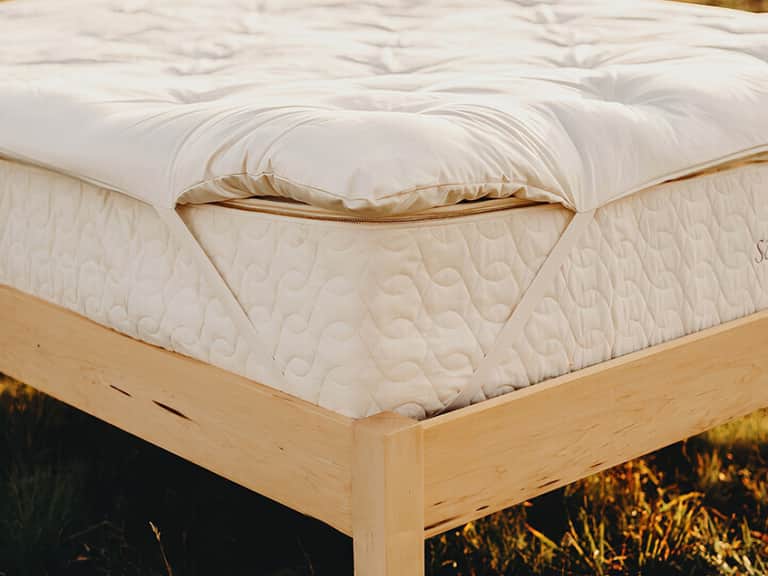
The layering matters nearly as much as the core. A latex-topped mattress may incorporate a breathable wool or cotton cover, with a quilted topper to adjust the initial feel upon lying down. The tactile difference between a surface that initially cushions the hips and shoulders versus a surface that provides sustained bounce can shape how a person experiences the first minute of sleep and the last minute before waking.
The best latex experiences tend to pair a core with an appropriate topper or pillow-top that harmonizes with body weight distribution and sleep position. Side sleepers, for example, may seek a slightly plusher top layer to accommodate shoulder and hip pressure, while back sleepers may prioritize even support across the lumbar region. Stomach sleepers often require a firmer surface to prevent excessive sagging in the midsection.
Certifications: decoding health, safety, and sustainability claims
Certifications act as a trusted shorthand in a market crowded with claims. Three to watch in natural latex are:
- GOLS (Global Organic Latex Standard): Focused on organic latex material, supply chain transparency, and social responsibility. A GOLS-certified mattress indicates that the latex is sourced and processed under standards that minimize chemical exposure and environmental impact.
- GOTS (Global Organic Textile Standard): Applies to the textile components—covers, tickings, and any other fabric layers. GOTS certifies that textiles meet organic fiber content, chemical processing, and environmental criteria, with attention to worker welfare.
- OEKO-TEX: An independent testing and certification system that screens textiles for hazardous substances. An Oeko-Tex certificate signals a commitment to safety for the consumer, without necessarily addressing organic content.
When evaluating a latex mattress, certifications serve as a compass for what matters most to you—whether you prioritize organic content, environmental stewardship, or robust chemical-free testing. It is worth noting that a product may carry different certifications across its components. For example, a latex core may be GOLS-certified, while the fabric cover carries GOTS certification, and any added comfort layers may be tested for harmful substances by OEKO-TEX. The net effect is a layered map of safety and sustainability, not a single stamp.
Beyond certifications, consumers should assess the manufacturing narrative: where the materials are sourced, how the latex is processed, and what oversight exists along the supply chain. A transparent supply chain often correlates with higher confidence in product claims and a more ethically structured production process.
Key brand comparisons: Obasan, Naturepedic, and Savvy Rest
In the contemporary dialogue about natural latex, three brands frequently surface as touchpoints for education and comparison: Obasan, Naturepedic, and Savvy Rest. Each brand embodies a distinct posture toward materials, certifications, and design philosophy.
Obasan emphasizes organic content with a strong emphasis on natural latex layers and careful attention to the sleeper’s comfort zone through layered configurations. Their approach tends to prioritize a balance between contouring and breathability, translating into a surface that responds to body pressure while remaining breathable over the long night.
Naturepedic’s lineage centers on chemical-free construction and a strong emphasis on safety and sustainability. Their latex lines are often integrated with organic cotton and wool components, creating a breathable ecosystem that remains friendly to sensitive sleepers. The design vocabulary leans toward a serene, almost minimalist aesthetic, aligning with the domain’s emphasis on calm, evidence-based sleep wellness.
Savvy Rest differentiates itself through a strong emphasis on organic certification and modular design. They offer layered latex options that let sleepers adjust firmness and contour by reconfiguring layer order, an approach that invites sleepers to tailor the experience over time as their comfort evolves.
In practice, readers should think of these brands as exemplars illustrating how latex can be deployed across different design logics. The questions to ask are: Which certifications protect the core material? Which cover materials complement the latex without trapping heat? How do the layering strategies translate into the day-to-day experience of comfort, support, and temperature regulation?
Sleep hygiene and the nightly surface: hygiene implications of latex
Sleep hygiene is both a behavioral and environmental concept. The surface on which you sleep can influence moisture management, temperature stability, and even allergen exposure. Latex’s breathability, coupled with natural ventilation channels in many latex cores, can support a cooler, drier surface, which, in turn, may reduce nighttime sweating and irritants. While no material is a panacea for sleep disorders, choosing a latex mattress that prioritizes air movement, moisture management, and washable covers can help create a sleep-friendly climate.
A relevant consideration is the texture and cover fabric. Removable, washable covers—especially those certified by GOTS or OEKO-TEX—can simplify nightly hygiene routines. When paired with breathable toppers and appropriate bedding, latex mattresses may contribute to a nocturnal ecosystem where warmth is balanced with airflow, and moisture is managed more effectively. For those with allergies or sensitivities, the presence of wool or cotton in the upper layers can offer natural moisture-wicking properties, further supporting a healthy sleep climate.
Three historical perspectives: key figures across time
To illuminate the evolution of sleep science and the practical evaluation of mattresses, consider three influential figures from different eras who, in their own ways, contributed to how we understand comfort, support, and sleep hygiene.
-
Hypnos of ancient Greece (mythic figure, circa 5th century BCE) — In myth, Hypnos embodies the volatility and tenderness of sleep itself. While not a scientist in the modern sense, his stories—emphasizing rest as a sanctuary for the body and mind—provide a cultural backdrop for today’s insistence that sleep quality matters to long-term health.
-
Sir William Osler (1849–1919) — A father of modern medicine, Osler’s emphasis on holistic health foreshadowed today’s interest in sleep as a cornerstone of wellness. His insistence on patient-centered care and the idea that rest is integral to recovery resonates with the contemporary emphasis on sleep hygiene and evidence-based practice.
-
Matthew Walker (born 1969) — A contemporary sleep scientist and author of The Sleep Revolution, Walker’s work on circadian rhythm, sleep stages, and the health consequences of poor sleep has helped shape public understanding of how to structure daily life for better rest. His synthesis of research into accessible guidance mirrors the site’s aim: translate science into practical routines for everyday life.
The through-line across these figures—mythic, medical, and scientific—is a commitment to understanding sleep as a meaningful, healthful practice. In the latex mattress ecosystem, this translates into a careful scrutiny of materials, certifications, and design choices that support not only comfort but ongoing sleep hygiene.
Product spotlight: DownTown Company Luxury Cotton Mattress Pad
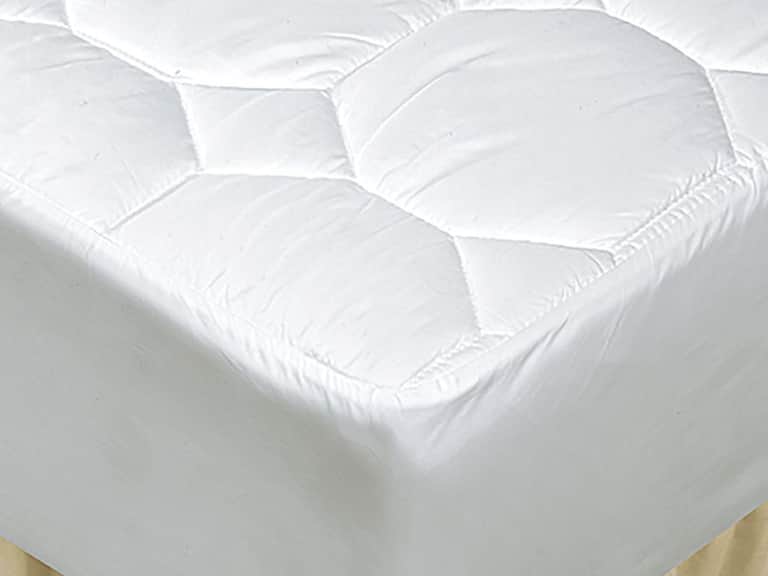
[Product image: Downtown Company Luxury Cotton Mattress Pad]
Downtown Company Luxury Cotton Mattress Pad
Firmness: Plush surface, breathable cotton, machine washable.
This mattress pad layers a plush 100% cotton fill with a cotton-blend honeycomb quilted cover. It features 18" deep pockets and a flexible jersey-knit skirt to hug the mattress securely. Made in Austria, it is fully washable, combining refined comfort with practical care. It adds a breathable cushion that enhances the perceived softness of a latex core while preserving airflow and surface hygiene—a practical complement to a latex mattress.
Price: $458.00
The pad’s design aligns with the broader theme of sleep wellness: a textile layer that respects breathability, offers a durable fit, and supports ongoing hygiene without compromising the clean lines of a latex surface. For readers seeking a refined, low-maintenance surface that preserves mattress life and enhances comfort, the Downtown Company pad serves as a concrete example of how a well-chosen topper or pad can elevate the nightly experience.
Conclusion: choosing a natural latex mattress with sleep hygiene in mind
In the end, selecting a natural latex mattress is less about chasing a singular magical property and more about assembling a sleep environment that supports comfort, health, and sustainable living. The latex core’s resilience, the layering strategy, the cover and topper materials, and the certifications together sketch a narrative of a surface that responds to the body while respecting the sleep environment. When evaluating brands, look for transparency about material sourcing, processing methods, and the presence of certifications that map to your values—organic content, safety, and environmental stewardship.
A well-considered latex setup is one that remains adaptable over time: layered configurations can be adjusted as preferences shift, and cores can be re-evaluated in light of contemporary sleep science. The goal is not to chase the softest surface or the firmest core in isolation, but to achieve a balanced state where comfort, support, and hygiene cohere into a restorative night’s sleep and a healthier daily life.
As with any domain related to rest, the best choice is deeply personal. A latex mattress chosen with care—one that aligns with realistic expectations about firmness, temperature control, and longevity—can be a quiet partner in a life that demands focus, energy, and regular renewal. And if you pair that mattress with thoughtfully chosen textile accessories, such as the Downtown Company Luxury Cotton Mattress Pad, you create a layered ecosystem that promotes not only comfort but a consistent, sustainable approach to sleep hygiene.